Cost Segregation in Big Bear Lake, CA: $15K-$55K Year 1
Big Bear Lake rental and STR investors save $15K-$55K in Year 1 with cost segregation + 100% bonus depreciation. See real savings by property type.

Big Bear’s ski-and-lake economy pulls year-round STR demand from LA’s 18 million residents. A $475K cabin generating $55K/year in rental revenue is a strong cost seg candidate, and California’s 13.3% top bracket pushes combined federal+state savings near 50% on accelerated dollars. Note: California doesn’t conform to federal bonus depreciation, so state-level benefit phases in over 5 years rather than Year 1.
Big Bear: LA’s Mountain Playground and a Growing STR Market
Big Bear Lake sits two hours from downtown Los Angeles in the San Bernardino Mountains, making it the closest ski and lake destination for Southern California’s 18 million residents. The town has transformed from a seasonal getaway into a year-round STR market: skiing and snowboarding in winter, lake activities and hiking in summer, and fall foliage that draws weekend visitors from October through November.
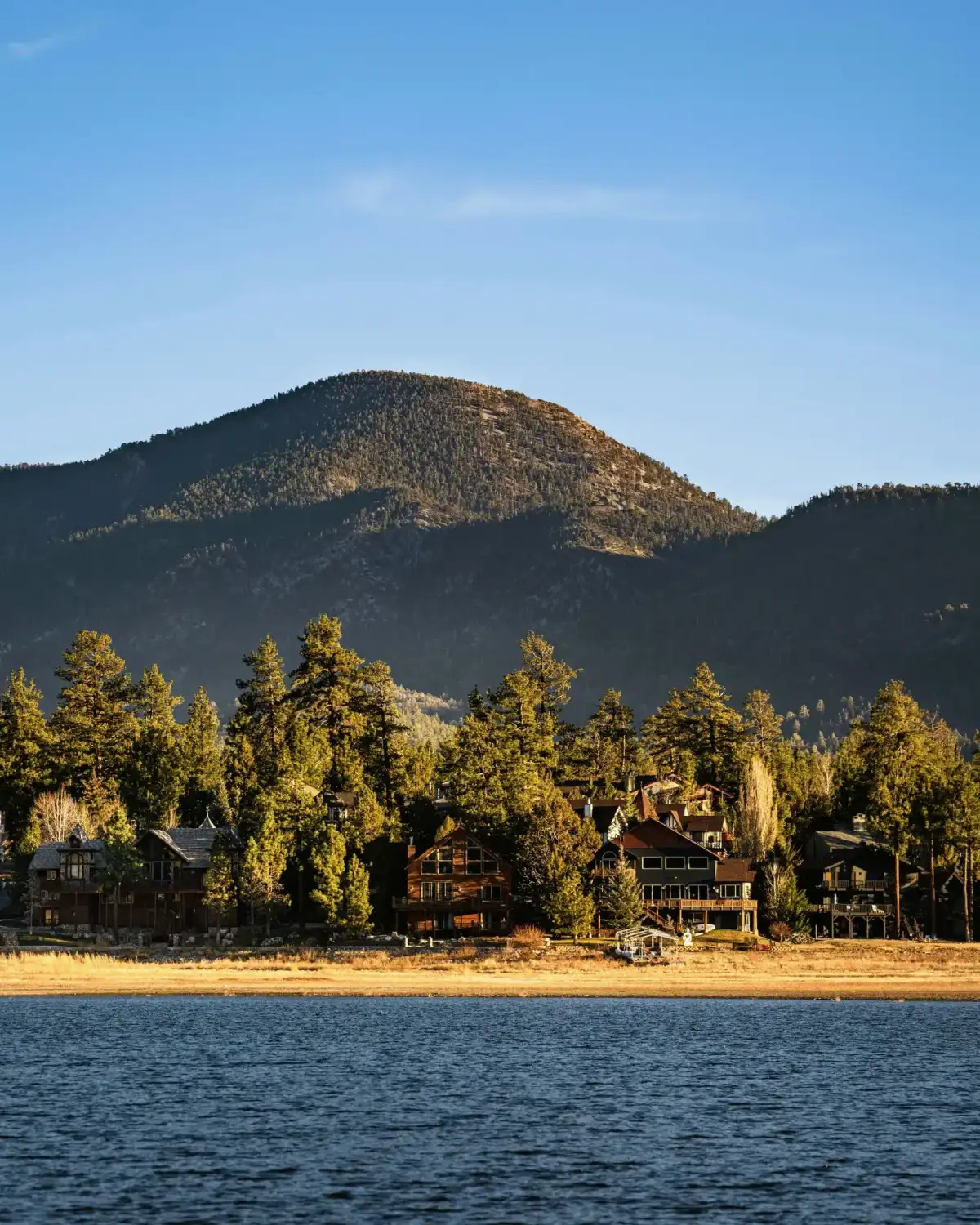
The median home price in Big Bear Lake sits around $450,000 as of early 2026, with furnished cabins in popular areas like the Village, Moonridge, and Fox Farm ranging from $350K to $750K. A well-positioned, fully furnished Big Bear cabin can generate $50,000-$85,000 in annual gross STR revenue.
Most Big Bear STR owners are Southern California professionals—entertainment industry workers, tech employees, physicians, attorneys—who bought mountain cabins as investment properties. They’re paying California’s 13.3% top state tax rate on their primary income and federal taxes on their rental income.
Big Bear Real Estate Market Snapshot Median Home Price
$475,000 Median Rental Property
$450,000 Avg STR Annual Revenue
$55,000 Property Tax Rate
0.75% State Income Tax
Up to 13.3% Construction Cost Index
Above Average
Year-round STR destination near LA. Top investment areas: Big Bear Lake, Big Bear City, Moonridge, Fawnskin.
Source: Public assessor data, Zillow, AirDNA estimates. Values are approximate metro-area medians.
The California Bonus Depreciation Nuance
California does not conform to federal bonus depreciation. The reclassified property still depreciates over the shorter MACRS lives (5, 7, 15 years) on your California return, but without the 100% first-year bonus. The federal benefit, however, is fully available. At 37%, the federal savings alone on a $525K Big Bear cabin can reach $15K-$35K in Year 1. Over the MACRS life of the reclassified components, the California benefit adds substantially.
Big Bear cabins almost universally feature hot tubs, fire pits, outdoor decks, and wood-burning fireplaces—amenities that guests specifically search for and that qualify for accelerated depreciation under shorter MACRS categories.
A Real Example: 3BR Cabin in Moonridge
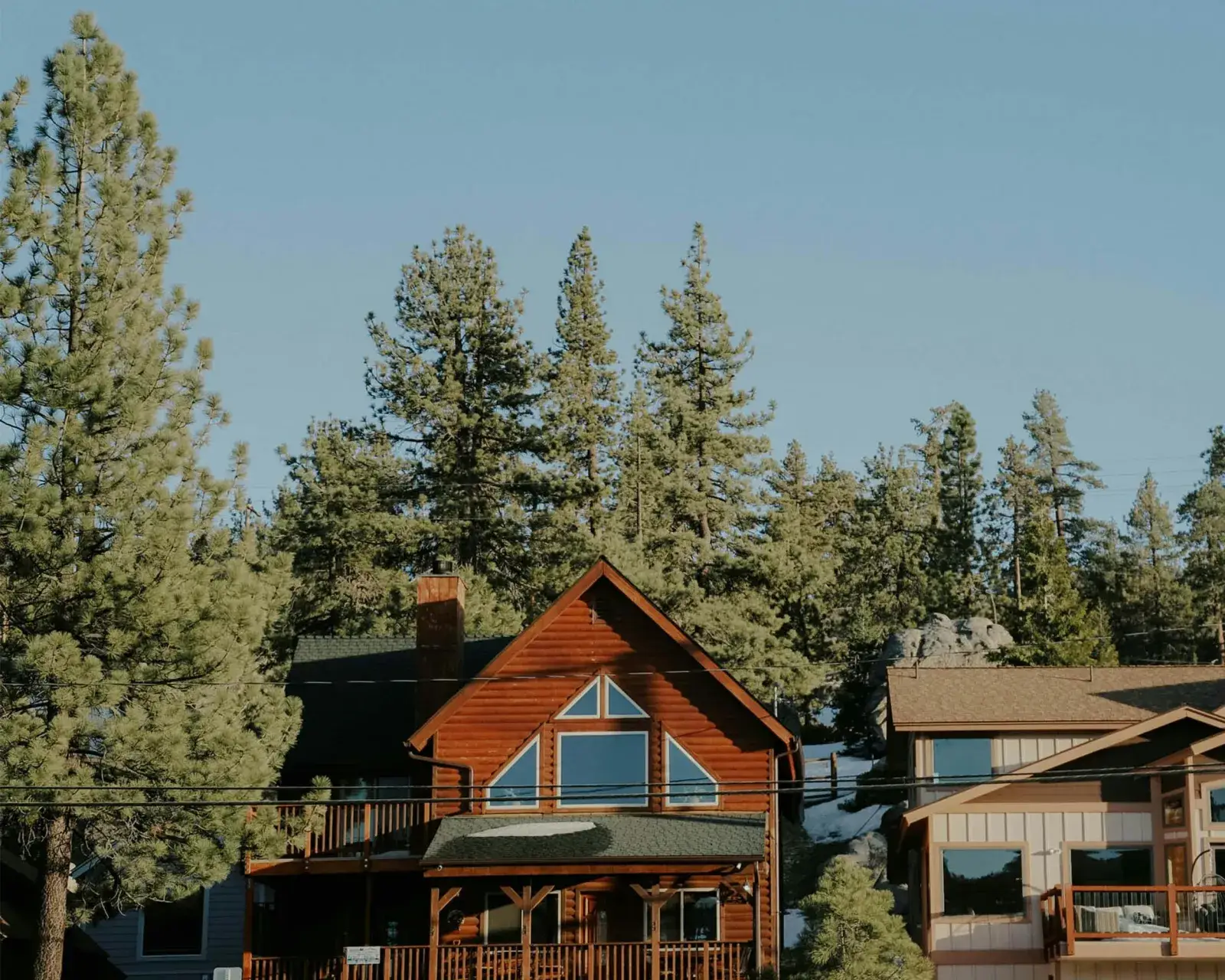
The property: A 3-bedroom, 2-bathroom A-frame cabin in Moonridge (92314), purchased in September 2022 for $525,000. Built in 1985. Fully furnished with a hot tub, fire pit, game room, and mountain-view deck. Generates $62,000/year in STR revenue. The owner is a commercial real estate broker in LA with 1099 income of $290,000.
Without cost segregation: Depreciable basis (after 20% land) is $420,000. Straight-line: $15,270 per year.
With cost segregation (federal):
| Category | Amount | Federal Year 1 Deduction |
|---|---|---|
| 5-Year Property (furniture, hot tub, appliances, game room equipment, flooring, fixtures) | $92,400 | $92,400 (100% bonus) |
| 15-Year Property (deck, fire pit, driveway, landscaping, retaining wall, septic) | $37,800 | $37,800 (100% bonus) |
| 27.5-Year Property (remaining cabin structure) | $289,800 | $10,540 (straight-line) |
| Total Federal Year 1 Accelerated Deductions | $130,200 |
At 37% federal, that’s approximately $48,170 in estimated federal tax savings. The broker materially participates in managing the STR, so the deductions offset his brokerage income directly.
Big Bear Investment Areas
The Village (92315): Walk-to-shops-and-restaurants location. Cabins $400K-$650K. Highest occupancy rates due to walkability.
Moonridge (92314): Ski-area adjacent, near Bear Mountain Resort. $350K-$600K. Popular with ski-season visitors.
Fox Farm / Sugarloaf (92314): Larger lots, more privacy. $300K-$500K. Properties here often have more site improvements (longer driveways, more landscaping) that qualify for 15-year reclassification.
Boulder Bay / Fawnskin (92333): North shore of the lake. More affordable entry, $250K-$400K. Quieter area growing in STR popularity.
Lake Arrowhead (92352): Neighboring mountain community, 30 minutes from Big Bear. More upscale, $500K-$900K. Private lake access properties command premium rents.
The LA Professional’s Tax Play
The typical Big Bear STR owner is an LA-based professional earning $200K-$500K+. They bought a mountain cabin as a lifestyle-meets-investment play. The key to making the tax strategy work is material participation: spending 100+ hours per year managing the STR (bookings, guest communication, maintenance coordination, pricing decisions) and documenting it. With material participation established, the cost seg deductions become non-passive and can offset your LA-based W-2 or 1099 income at the federal level.
100% Bonus Depreciation and Lookback
The OBBBA permanently restored 100% federal bonus depreciation. For Big Bear investors who purchased in prior years, lookback studies via Form 3115 capture all missed accelerated federal depreciation in one year. Your CPA will maintain separate federal and California depreciation schedules, which is standard practice.
Related Reading
- What Your CPA Needs to Know About Your Cost Segregation Study
- How Cost Segregation Actually Shows Up on Your Tax Return
- You Paid $1.2M for a Key West Cottage. The IRS Owes You $80K.
Big Bear Investors: See Your Cabin’s Federal Depreciation Breakdown
Run the calculator on your specific property.
Getting Started
Provide your property address, purchase price, type, year built, and furnishing details. We deliver a CPA-ready report in under an hour. Your CPA applies it to your federal return with full bonus depreciation and maintains the separate California schedule.
Big Bear Real Estate Market: Why Cost Segregation Makes Sense Here
Big Bear Lake is Southern California’s premier mountain STR market, with investor-grade cabins and chalets typically priced between $400K and $650K. The area draws year-round tourism — skiing at Snow Summit and Bear Mountain in winter, hiking and lake activities in summer — which supports strong vacation rental occupancy rates. Many Big Bear properties are fully furnished and equipped with hot tubs, game rooms, and outdoor fire pits that generate substantial revenue and substantial depreciable components.
California is one of the few states that decouples from federal bonus depreciation. This means California does not allow the 100% first-year acceleration on your state return — but it does not reduce your federal benefit. Big Bear investors still capture the full federal deduction under 100% bonus depreciation, which at the 37% bracket produces significant Year 1 savings. The California decoupling simply means your CPA will maintain a separate depreciation schedule for your state return, spreading the accelerated portion over its standard recovery period.
Estimated Year 1 Savings for Big Bear Properties
| Property Type | Price | Est. Year 1 Tax Savings |
|---|---|---|
| Big Bear SFR | $475K | $21K-$32K |
| Big Bear Airbnb/STR | $550K | $33K-$49K |
| Big Bear Duplex | $600K | $27K-$40K |
| Big Bear Condo | $375K | $14K-$21K |
Estimates assume 100% bonus depreciation at the 37% federal bracket. California decouples from bonus depreciation at the state level; your CPA will maintain a separate CA schedule. Actual savings depend on property condition, age, and furnishing level.
Who Orders Cost Segregation in Big Bear?
Most of our Big Bear clients are Southern California residents — from Los Angeles, Orange County, and the Inland Empire — who own a mountain cabin as a vacation rental investment. Many manage their properties through local STR management companies and qualify for material participation, allowing them to use the accelerated depreciation to offset W-2 or business income. We also work with investors who purchased cabins in the $400K-$600K range during the 2020-2021 boom and are now focused on tax efficiency as rental revenues normalize.
Whether you own a $375K condo at the Village or a $750K lakefront cabin, a cost segregation study pays for itself many times over in Year 1 tax savings.
Also Serving Nearby Markets
We serve investors across California and nearby markets including Joshua Tree, Lake Tahoe, and all of California. See state-by-state tax rules →
Run the calculator on your specific property.