Cost Segregation in Miami, FL: $180,000 in Accelerated Depreciation
Miami’s international tourism engine, condo-heavy inventory, and high construction costs create a distinctive cost segregation profile for STR investors.
- $180,000 Accelerated Depreciation
- $66,600 Est. Year-1 Tax Savings
- 84x Return on Study Cost
Want a number for a specific property here? Use the calculator — it’s pre-set with property-type defaults you can adjust to match your basis and tax bracket.
Cost Segregation in Miami, FL
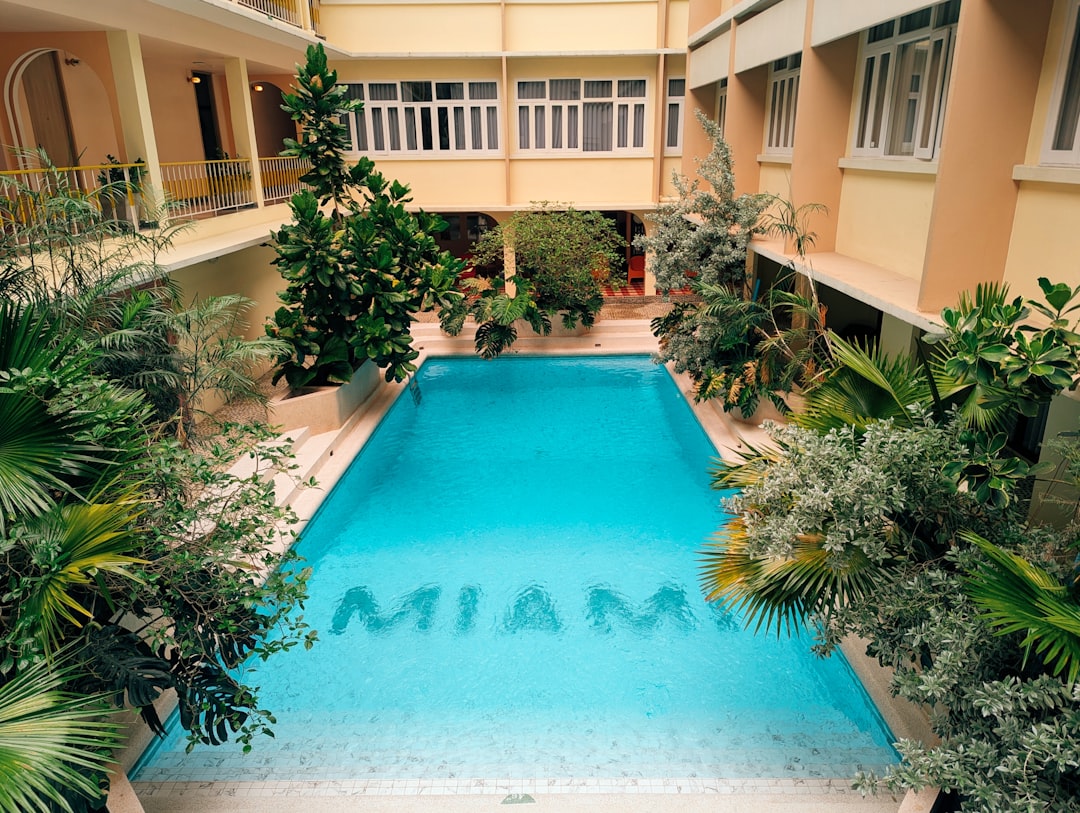
Miami Investment Snapshot
- Typical Price Range $550K–$1.2M
- Revenue Range $4,500–$10,000/mo gross STR revenue
- Common Property Types Condo, townhome, SFR
- State Income Tax 0%
- Top Neighborhoods Wynwood, Miami Beach, Brickell
- Typical Year-1 Savings $38,000–$75,000
The Miami Market
Miami’s STR market runs on overlapping demand engines: South Beach nightlife, Wynwood’s art district, Brickell’s corporate travel, and the November-through-April snowbird migration. Investors buying furnished condos and townhomes in the $550K–$1.2M range typically gross $60K–$120K annually depending on location and unit size. Beach-adjacent units in South Beach and Surfside command the highest nightly rates, while Brickell and Edgewater attract business travelers and digital nomads on longer stays.
Why Cost Segregation Hits Different in Miami
Two factors make cost segregation particularly effective in Miami. First, South Florida construction costs are among the highest in the country, which inflates the depreciable basis — more dollar value sits in reclassifiable building components. Second, the condo-heavy market means investors own interior buildout elements outright: imported tile, custom cabinetry, designer bathroom fixtures, impact-rated windows, and in-unit HVAC equipment. All of that qualifies for 5-year or 7-year recovery.
A Real Miami Example
Consider a $750K furnished condo in Brickell — a 2-bedroom unit in a newer high-rise with ocean views. The depreciable basis after land allocation is roughly $625K. A cost segregation study reclassifies approximately $188K into shorter MACRS classes: about $131K in 5-year property (cabinetry, flooring, appliances, bathroom vanities, lighting fixtures, furniture package, window treatments, smart-home systems) and $57K in 7-year and 15-year property (allocated share of building mechanical systems, parking improvements). With 100% bonus depreciation, the full $188K is deductible in year one.
Who Is Doing This in Miami
The typical Miami STR investor is either a Northeast transplant who kept their condo as a rental after relocating, or an international buyer using the property as a personal retreat that generates income when vacant. Many manage bookings remotely through co-hosts but still handle pricing decisions, vendor approvals, and guest communication — enough to meet the 100-hour material participation threshold.
FL Tax Considerations
- Florida has no state income tax, which means every dollar of accelerated depreciation flows directly to federal savings at your marginal rate. There is no state-level recapture to worry about on sale or 1031 exchange, and no state conformity complications for your CPA. For Miami investors in the 32–37% federal bracket, cost segregation on a $750K property typically produces $55K–$70K in real year-one tax savings.
- Your estimate $66,600 Estimated Year-1 tax savings
- $180,000 Accelerated
- 84x ROI on study
- Adjust Your Numbers →
Based on a $750,000 Miami property at the 37% federal bracket. Your actual results vary.
Want a number for a specific property here? Use the calculator — it’s pre-set with property-type defaults you can adjust to match your basis and tax bracket.
Common Miami Investment Properties
- Furnished condos in Brickell and South Beach high-rises
- Art Deco-era renovated units in Miami Beach
- Modern townhomes in Wynwood and Edgewater
- Waterfront single-family STRs in Coconut Grove
Depreciable Features We Commonly See
- Hurricane-rated impact windows and sliding glass doors
- Imported tile flooring and designer bathroom fixtures
- Rooftop or balcony entertainment setups and outdoor furniture
- Smart-home automation systems and keyless entry
- Pool and hot tub equipment in single-family properties
What People Worry About (and What Actually Happens) “Will this trigger an IRS audit?”
No. Cost segregation is explicitly supported by IRS guidelines (Rev. Proc. 87-56) and the IRS Audit Techniques Guide for Cost Segregation. Tens of thousands of studies are filed every year. Our reports are designed to withstand scrutiny — that’s why they run 40+ pages with component-level documentation.
audit risk and cost segregation → “Is this aggressive tax strategy?”
Cost segregation is standard practice, not a loophole. The IRS has published formal guidance on how to do it correctly. Every Big 4 accounting firm offers it. We follow the same engineering-based methodology — just faster and at a fraction of the cost.
our engineering methodology → “What if I sell in a few years?”
You’ll owe depreciation recapture at 25% on the accelerated portion when you sell. But if you 1031 exchange into another property, recapture is deferred indefinitely. For most investors, the upfront tax savings far outweigh the eventual recapture — especially when you factor in the time value of money. “My CPA hasn’t mentioned this.”
Most CPAs know about cost segregation but don’t proactively recommend it because they don’t do the engineering analysis in-house. That’s what we provide. Your CPA files the results — we email them a CPA-ready package with everything they need, and we answer any questions they have directly.
Why Cost Segregation Works for Short-Term Rentals
Short-term rentals contain a higher concentration of depreciable personal property than almost any other residential property type. Furniture, appliances, linens, kitchenware, electronics, decorative fixtures, and specialty items like hot tubs or game room equipment all qualify as 5-year property under the IRS MACRS classification system. This furniture, fixtures, and equipment (FF&E) component typically represents 15-20% of the depreciable basis.
Beyond interior components, site improvements add additional reclassification value. Driveways, walkways, patios, outdoor lighting, fencing, landscaping, and irrigation systems fall into the 15-year MACRS class rather than the default 27.5-year residential schedule. For STR properties with pools, outdoor kitchens, or fire pits, these components can represent a meaningful share of the total reclassified amount.
With 100% bonus depreciation permanently restored under the One Big Beautiful Bill Act (signed July 2025), every dollar reclassified into 5-year, 7-year, or 15-year MACRS classes is deductible in full in the first year. For STR owners who materially participate in their rental operation, these accelerated deductions can offset W-2 and business income — not just passive rental income.
Who This Example Applies To
- Airbnb, Vrbo, or short-term rental property owners
- Investors who materially participate in their STR operation (100+ hours/year)
- Taxpayers in the 32-37% federal bracket (where savings are most significant)
- Properties with furniture, appliances, and guest-ready finishes
If your property is a passive investment managed entirely by a third party, the accelerated depreciation may only offset passive income. If your property has minimal furnishings or you plan to sell within 1-2 years, the benefit may be reduced. Actual results vary based on property age, condition, renovations, and local construction costs.
Hear From a Short-Term Rental Owner Who Did This
This Airbnb investor ordered a cost segregation study and used the accelerated depreciation on their next tax return. Here’s what happened. Money-Back Guarantee Full refund if the study doesn’t save you money See a Sample Download Miami sample report
Compare: Miami Airbnb at Different Price Points
| Price | Accelerated | Tax Savings | Study Cost | ROI |
|---|---|---|---|---|
| $300K | $72,000 | $26,640 | $795 | 34x |
| $500K | $120,000 | $44,400 | $795 | 56x |
| $750K | $180,000 | $66,600 | $795 | 84x |
| $1M | $240,000 | $88,800 | $1,195 | 74x |
| $400K | $96,000 | $35,520 | $795 | 45x |
| $600K | $144,000 | $53,280 | $795 | 67x |
| $1.5M | $360,000 | $133,200 | $1,195 | 111x |
| $450K | $108,000 | $39,960 | $795 | 50x |
| $700K | $168,000 | $62,160 | $795 | 78x |
| $800K | $192,000 | $71,040 | $795 | 89x |
Compare: $750,000 Across Property Types
| Property Type | Accelerated | Tax Savings | Study Cost | ROI |
|---|---|---|---|---|
| Airbnb / Short-Term Rental | $180,000 | $66,600 | $795 | 84x |
| Rental Property | $120,000 | $44,400 | $795 | 56x |
| Fourplex | $132,000 | $48,840 | $995 | 49x |
Frequently Asked Questions What is a cost segregation study? ▼
A cost segregation study is an engineering-based analysis that reclassifies components of your property into shorter IRS depreciation categories (5, 7, and 15 years) instead of the default 27.5 or 39 years. This accelerates your depreciation deductions, reducing your tax bill in the early years of ownership. Why do Airbnbs get higher cost segregation deductions? ▼
Short-term rentals are typically furnished with furniture, appliances, electronics, linens, kitchenware, and décor — all of which qualify as 5-year personal property under MACRS. This FF&E (furniture, fixtures, and equipment) often represents 15-20% of the property’s depreciable basis, significantly increasing the accelerated depreciation amount compared to unfurnished long-term rentals. Does cost segregation work for Miami condos used as Airbnbs? ▼
Absolutely. Cost segregation applies to your condo unit’s allocated share of the building’s depreciable components, plus your unit’s individual buildout (flooring, fixtures, cabinetry, appliances). Many Miami condo STR investors overlook this, assuming standard depreciation captures everything. It doesn’t — a proper study identifies significantly more in reclassifiable components.
Learn More About Cost Segregation What Is Cost Segregation? Full explanation of how the study works and what you receive How Much Does a Cost Segregation Study Cost? Pricing breakdown by property type and value What Percentage Gets Reclassified? Typical accelerated depreciation rates by property type Cost Segregation for Short-Term Rentals The STR material participation strategy explained
Ready to See Your Actual Savings?
Want a number for a specific property here? Use the calculator — it’s pre-set with property-type defaults you can adjust to match your basis and tax bracket.