Cost Segregation in Charlotte, NC: $20K-$45K Year 1
Charlotte rental and STR investors save $20K-$45K in Year 1 with cost segregation + 100% bonus depreciation. See real savings by property type.
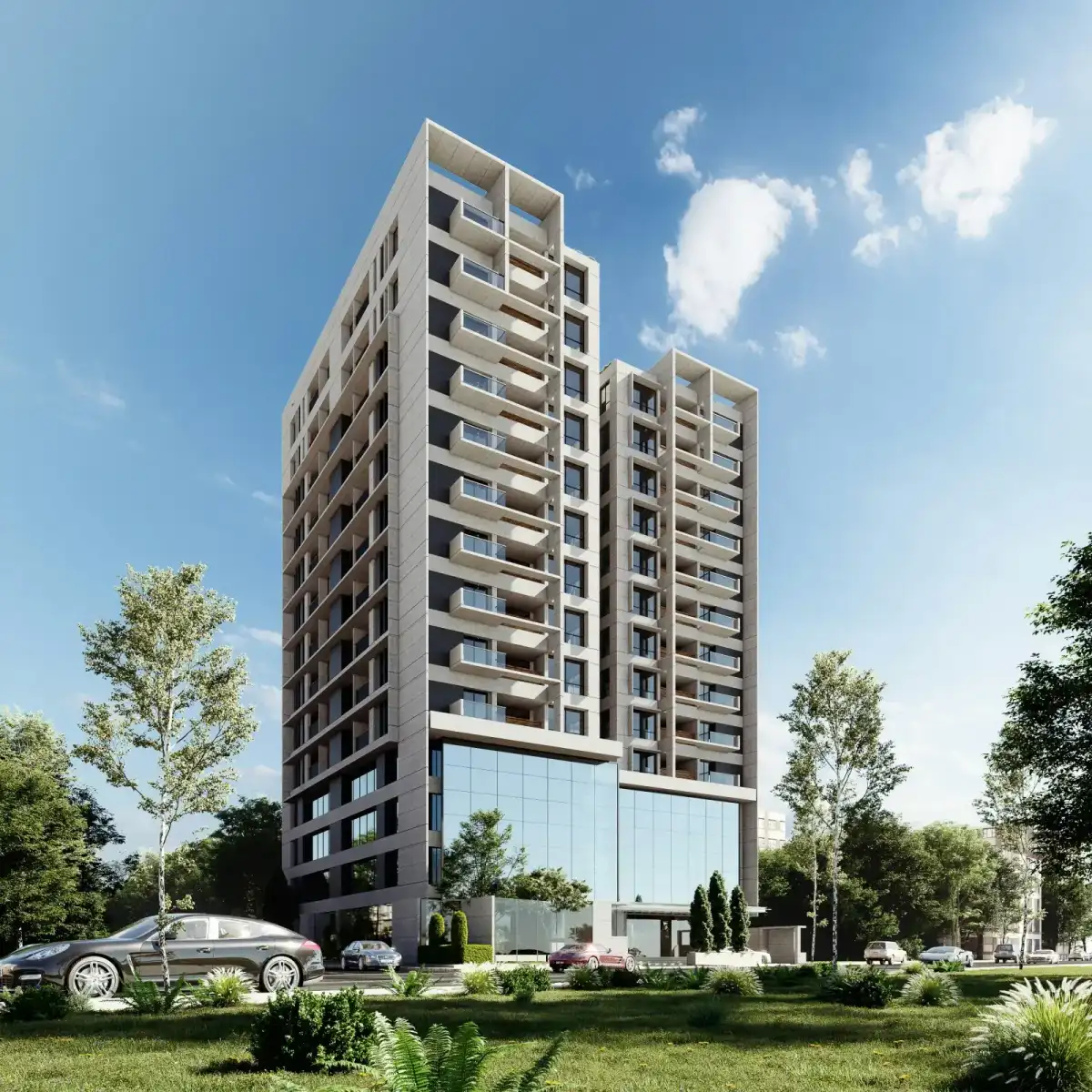
Charlotte is the second-largest financial center in the U.S. — Bank of America, Truist, Ally, and Honeywell headquarter here, driving perpetual demand for investor-owned rentals. SFRs in Matthews, Mint Hill, Huntersville, and Indian Trail ($350K–$550K) typically surface $15K–$35K in accelerated Year 1 cost seg deductions. North Carolina’s 4.5% flat state tax puts combined federal+state savings above 41% for top earners.
Charlotte’s Growth Machine
Charlotte is the second-largest financial center in the United States after New York. Bank of America, Truist, Ally Financial, and Honeywell all headquarter here. That corporate density drives a perpetual influx of high-income professionals who need housing, and many of those housing units are investor-owned rentals. Median home prices in Mecklenburg County sit around $400,000, with investor-grade SFRs in Matthews, Mint Hill, Huntersville, and Indian Trail trading between $350K and $550K.

Most Charlotte landlords depreciate their properties over 27.5 years — the IRS default. But a cost segregation study reclassifies 18-25% of the depreciable basis into 5-year and 15-year categories. With 100% bonus depreciation permanently restored by the One Big Beautiful Bill Act, those reclassified components are fully deductible in Year 1.
Charlotte Real Estate Market Snapshot Median Home Price
$400,000 Median Rental Property
$350,000 Avg STR Annual Revenue
$32,000 Property Tax Rate
0.82% State Income Tax
4.5% flat Construction Cost Index
Average
Fast-growing rental market, banking hub. Top investment areas: Dilworth, NoDa, South End, Plaza Midwood.
Source: Public assessor data, Zillow, AirDNA estimates. Values are approximate metro-area medians.
North Carolina’s 4.5% Flat Tax
North Carolina’s flat state income tax of 4.5% is one of the more competitive rates in the Southeast. Combined with federal rates, Charlotte investors face a combined marginal rate around 41-42%. North Carolina conforms to federal bonus depreciation, so the full Year 1 deduction applies on both your state and federal returns. One study, one set of schedules, two tax benefits.
North Carolina conforms to federal bonus depreciation. Charlotte investors receive the full benefit on both state and federal returns. At a combined rate above 41%, every $100,000 in accelerated deductions saves over $41,000 in taxes.

A Real Example: 4BR SFR in Ballantyne
The property: A 4-bedroom, 2.5-bathroom SFR in Ballantyne (28277), purchased in July 2022 for $465,000. Built in 2014. Tenant-occupied, unfurnished. The owner is a banking VP with W-2 income of $215,000.
Without cost segregation: Depreciable basis approximately $372,000. Straight-line: about $13,530 per year.
With cost segregation: 18% reclassified to shorter-lived property.
| Category | Amount | Year 1 Deduction |
|---|---|---|
| 5-Year Property (appliances, cabinetry, flooring, fixtures, countertops) | $48,360 | $48,360 (100% bonus) |
| 15-Year Property (landscaping, driveway, patio, fencing) | $18,600 | $18,600 (100% bonus) |
| 27.5-Year Property (remaining structure) | $305,040 | $11,090 (straight-line) |
| Total Year 1 Accelerated Deductions | $66,960 |
At a combined 41% rate, approximately $27,450 in estimated tax savings. On a $795 study, the return is 34x.
Charlotte Investment Neighborhoods
Ballantyne / South Charlotte (28277): Corporate corridor. SFRs $425K-$650K. Strong tenant demand from financial services professionals. Newer construction with moderate reclassification rates.
NoDa / Plaza Midwood / South End: Urban investment territory. Condos and townhomes $300K-$500K. Growing STR market driven by brewery district and light rail access. Furnished STRs see higher reclassification percentages.
short-term rental cost segregation →
Matthews / Mint Hill / Indian Trail: Suburban SFR market $350K-$500K. Family-oriented, strong schools, consistent tenant demand. Good entry point for cost segregation.
Huntersville / Cornelius / Lake Norman: North Charlotte growth corridor. SFRs $400K-$600K, some waterfront STRs near Lake Norman reaching $700K+. Lake properties with docks, decks, and outdoor improvements generate significant 15-year property allocations.
Concord / Kannapolis: More affordable investor territory $275K-$400K. Speedway-area STRs during NASCAR events. Lower price points but still strong cost seg ROI.
Charlotte’s Finance Professionals and Real Estate
Charlotte’s financial services industry produces a concentrated population of high-income investors who understand numbers. Banking VPs, compliance officers, financial analysts, and wealth managers earning $180K-$350K+ frequently own one to five rental properties. For these investors, cost segregation isn’t speculative — it’s quantifiable. The study produces specific dollar amounts, specific MACRS classifications, and specific Form 3115 instructions. It’s the kind of analysis that finance professionals appreciate because the math is clean and the ROI is unambiguous.
Related Reading
- Cost Segregation If You Plan to Sell Soon: Is It Still Worth It?
- First-Year Depreciation: What New Property Owners Need to Know
- Austin STR Investors: 100% Bonus Depreciation Is Back — Here’s What It Means for Your Property
See Your Charlotte Property’s Depreciation Breakdown
Run the calculator on your specific property.
Getting Started
Provide your property address, purchase price, property type, and year built. We deliver a 40+ page engineering-based report in under an hour. Charlotte’s corporate economy, competitive state tax rate, and active investor market make cost segregation one of the highest-ROI decisions for Queen City landlords.
cost segregation methodology →
See the full Charlotte cost segregation breakdown with calculator and sample report on our Charlotte page.
Charlotte Real Estate Market: Why Cost Segregation Makes Sense Here
Charlotte is a banking and financial services hub with a deep pool of high-income professionals driving rental demand. Median investor-grade property prices sit in the $350K-$450K range, with strong rental yields in neighborhoods like NoDa, Plaza Midwood, South End, and the fast-growing suburbs of Huntersville and Mooresville. The metro area has attracted significant population growth as companies expand their Charlotte operations, sustaining both rental demand and property appreciation.
North Carolina’s 4.5% flat state income tax is one of the lowest in the Southeast, and the state conforms to federal bonus depreciation. For Charlotte landlords, this means the full 100% first-year acceleration applies to both your federal and NC returns. The combination of moderate property prices and full state conformity means a cost segregation study on even a $350K SFR can produce a combined federal and state tax benefit exceeding $18K in Year 1 — more than 20 times the cost of the study.
Estimated Year 1 Savings for Charlotte Properties
| Property Type | Price | Est. Year 1 Tax Savings |
|---|---|---|
| Charlotte SFR | $400K | $18K-$27K |
| Charlotte Airbnb/STR | $425K | $25K-$38K |
| Charlotte Duplex | $475K | $21K-$32K |
| Charlotte Condo | $325K | $12K-$18K |
Estimates assume 100% bonus depreciation at the 37% federal bracket. Actual savings depend on property condition, age, and furnishing level.
Who Orders Cost Segregation in Charlotte?
Charlotte’s cost segregation clients tend to be finance and banking professionals who have built SFR portfolios across the metro area. We work with landlords in South End and Dilworth, duplex owners in the University area, and investors who accumulated properties in rapidly appreciating suburbs like Fort Mill and Indian Trail. Many Charlotte investors hold three to five rentals and order multiple studies at once, recognizing that the per-property tax savings compound across a portfolio.
Whether you own a $300K rental near UNC Charlotte or a $600K investment property in Myers Park, a cost segregation study pays for itself many times over in Year 1 tax savings.
Also Serving Nearby Markets
We serve investors across North Carolina and nearby markets including Raleigh, Asheville, and Atlanta. See state-by-state tax rules →
Run the calculator on your specific property.