Cost Segregation in Dallas, TX: $18K-$42K Year 1
Dallas rental and STR investors save $18K-$42K in Year 1 with cost segregation + 100% bonus depreciation. See real savings by property type.
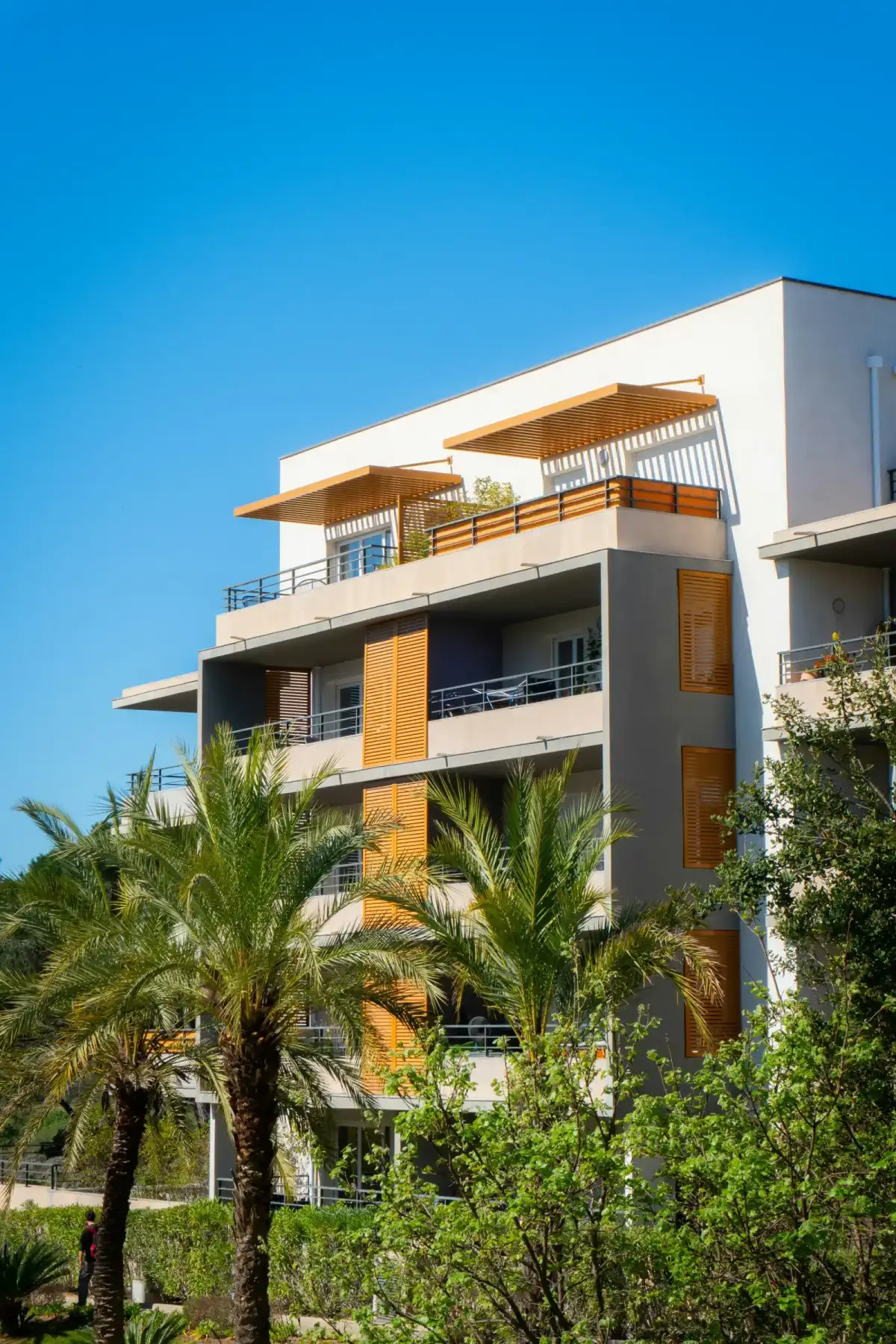
DFW is the fourth-largest metro in the U.S. — investor-heavy, tenant-rich, and with no state income tax. A $425K SFR in Frisco, McKinney, or Plano typically accelerates ~$70K in Year 1 depreciation under bonus — about $22K in tax savings at a 32% bracket (more at 37%). Dallas’ construction cost index (0.88) tends to favor reclassification ratios versus higher-cost metros.
DFW Is an Investor Market — Act Like One
Dallas-Fort Worth is the fourth-largest metro area in the country, and one of the most active for real estate investors. Corporate relocations from California and the Northeast keep driving population growth, and that growth feeds a rental market where investor-owned SFRs are a fixture of every suburb from Frisco to Mansfield. Median home prices in Dallas County sit around $350,000, with investor-grade SFRs in Plano, Richardson, Garland, and Mesquite trading between $325K and $500K. The more premium suburbs — Frisco, Prosper, Celina, Southlake — range from $500K to $850K.
Most DFW investors treat depreciation as an afterthought: 27.5 years, straight-line, set it and forget it. That approach leaves tens of thousands of dollars in tax savings unclaimed. A cost segregation study reclassifies property components into 5-year, 7-year, and 15-year categories. With 100% bonus depreciation permanently restored by the One Big Beautiful Bill Act, those reclassified components are fully deductible in Year 1.

Dallas Real Estate Market Snapshot Median Home Price
$400,000 Median Rental Property
$350,000 Avg STR Annual Revenue
$35,000 Property Tax Rate
1.93% State Income Tax
None Construction Cost Index
Average
No state income tax amplifies federal depreciation benefit. Top investment areas: Deep Ellum, Uptown, Bishop Arts, Highland Park.
Source: Public assessor data, Zillow, AirDNA estimates. Values are approximate metro-area medians.
Texas: No State Income Tax, Big Federal Bill
Texas doesn’t tax your income. But the IRS does. If you’re a DFW professional earning $200K+ with rental properties on the side — and this describes a large segment of DFW’s investor base — you’re paying 32-37% federal tax on every dollar of rental income. Texas property taxes are high (averaging 1.8-2.2% of assessed value), and those are deductible, but depreciation is a separate and often larger deduction that most investors underutilize.
No state income tax also means no state depreciation recapture when you sell — a simpler exit calculation for Texas investors compared to states like California or New York.
DFW’s construction cost index runs approximately 0.88 relative to the national average — among the lowest of major metros. Lower construction costs mean a higher ratio of depreciable improvements to total property value. For cost segregation, this translates to more favorable component-to-basis ratios.
A Real Example: 4BR SFR in Frisco
The property: A 4-bedroom, 3-bathroom SFR in Frisco (75034), purchased in April 2023 for $485,000. Built in 2018. Tenant-occupied, unfurnished. The owner is a corporate finance director with W-2 income of $230,000.
Without cost segregation: Depreciable basis is approximately $388,000. Straight-line depreciation: about $14,110 per year.
With cost segregation: The study identifies approximately 18% of the depreciable basis as 5-year and 15-year property.
| Category | Amount | Year 1 Deduction |
|---|---|---|
| 5-Year Property (appliances, cabinetry, countertops, flooring, fixtures) | $50,440 | $50,440 (100% bonus) |
| 15-Year Property (landscaping, driveway, fencing, sidewalks) | $19,400 | $19,400 (100% bonus) |
| 27.5-Year Property (remaining structure) | $318,160 | $11,570 (straight-line) |
| Total Year 1 Accelerated Deductions | $69,840 |
At 32% federal, that’s approximately $22,350 in estimated tax savings in Year 1. The study starts at $495. Even for a relatively newer, unfurnished SFR, the ROI is 28x.
DFW Investment Zones
Frisco / Prosper / Celina: New construction suburbs, $450K-$800K. Lower reclassification percentages (15-18%) on newer builds, but high purchase prices produce meaningful absolute deductions. These investors tend to be high-income professionals in the top brackets.
Plano / Richardson / Allen: Established suburbs with a mix of 1990s-2010s construction. Prices $350K-$550K. Moderate reclassification percentages with strong tenant demand from the Telecom Corridor employment base.
Garland / Mesquite / Irving: More affordable investor territory, $275K-$400K. Older construction often yields higher reclassification percentages. Lower price points still generate $12K-$20K in Year 1 accelerated deductions.
Fort Worth / Arlington / Mansfield: The west side of DFW. SFRs $300K-$475K. Growing investor activity. Similar cost structure to Dallas suburbs.
Deep Ellum / Oak Cliff / Bishop Arts: Urban Dallas investment territory. Older homes, often renovated, some operating as STRs. Renovated properties produce higher reclassification percentages — renovation costs contain significant 5-year property.
The Portfolio Effect
Many DFW investors own three, five, even ten properties scattered across the metro. Running cost segregation on each property compounds the benefit. A portfolio of five SFRs averaging $400K each can generate $250K-$350K in combined Year 1 accelerated deductions. At 37%, that’s $90K-$130K in federal tax savings — real money that funds your next acquisition or reduces debt.
What You Receive
A 40+ page engineering-based PDF report with component-level depreciation schedules, MACRS classifications, and IRS-compliant methodology documentation. Delivered in under an hour. Starting at $495 — a fraction of what traditional firms charge for the same deliverable.

Related Reading
- Can You Do Your Own Cost Segregation Study? (DIY vs Professional)
- 5 Tax Mistakes Rental Property Investors Make (and How to Fix Them)
- Minneapolis Rental Investors: Cost Segregation in a High-Tax State Could Save You $25K-$75K in Year 1
See Your DFW Property’s Accelerated Depreciation Breakdown
Run the calculator on your specific property.
Getting Started
Provide your property address, purchase price, property type, and year built. We generate the report. You hand it to your CPA. DFW’s accessible prices, no state income tax, and scale-friendly investment market make cost segregation one of the highest-ROI decisions available to North Texas investors.
See the full Dallas cost segregation breakdown with calculator and sample report on our Dallas page.
Dallas Real Estate Market: Why Cost Segregation Makes Sense Here
Dallas-Fort Worth is one of the largest and most active SFR investment markets in the country. Median investor-grade property prices sit in the $325K-$425K range, with massive suburban inventory across Plano, Frisco, McKinney, Arlington, and Fort Worth. The metro area adds more residents annually than almost any other U.S. city, driven by corporate relocations (Toyota, Charles Schwab, Caterpillar) and strong job creation in finance, tech, and healthcare. This population growth sustains rental demand and keeps vacancy rates low across the Metroplex.
Texas has no state income tax, which means every dollar of accelerated depreciation flows directly to your federal return at the 37% bracket with no state-level dilution or complexity. There is no separate state depreciation schedule to maintain, no conformity questions to navigate, and no additional state forms. For DFW investors, this simplicity is a real advantage: your CPA applies the cost segregation study to your federal return and there is nothing else to track. On a $400K Dallas rental, that clean federal-only benefit can produce $18K-$27K in Year 1 savings.
Estimated Year 1 Savings for Dallas Properties
| Property Type | Price | Est. Year 1 Tax Savings |
|---|---|---|
| Dallas SFR | $380K | $17K-$25K |
| Dallas Airbnb/STR | $425K | $25K-$38K |
| Dallas Duplex | $450K | $20K-$30K |
| Dallas Condo | $300K | $11K-$17K |
Estimates assume 100% bonus depreciation at the 37% federal bracket. Texas has no state income tax. Actual savings depend on property condition, age, and furnishing level.
Who Orders Cost Segregation in Dallas?
DFW investors who order cost segregation studies tend to be portfolio landlords with 3-15 SFRs spread across the suburbs. Many purchased during the 2019-2022 appreciation cycle in areas like McKinney, Prosper, and Celina while prices were still accessible. We also work with STR operators in Deep Ellum and the Design District, duplex owners in Oak Cliff and East Dallas, and a growing number of out-of-state investors from California and the Northeast who chose DFW for its favorable landlord laws and no-tax environment.
short-term rental cost segregation →
Whether you own a $300K rental in Arlington or a $600K portfolio property in Frisco, a cost segregation study pays for itself many times over in Year 1 tax savings.
Also Serving Nearby Markets
We serve investors across Texas and nearby markets including Houston, San Antonio, Austin, and all of Texas. See state-by-state tax rules →
Run the calculator on your specific property.