Why Some Cost Seg Studies Take 6 Weeks (and Others Take 1 Hour)
Traditional firms send an engineer on-site and build manually — 4–8 weeks. Automated providers use satellite imagery and assessor data — under an hour. Why.

A cost segregation study takes anywhere from under one hour to 8 weeks, depending on the provider type. Traditional engineering firms typically take 4 to 8 weeks because they require a physical site visit, manual engineering analysis, and internal review queues. Mid-tier providers deliver in 1 to 3 weeks with optional site visits. Automated engineering-based providers deliver the same IRS-compliant analysis in under one hour by using software-driven workflows, county assessor data, RSMeans construction cost databases, and satellite imagery instead of on-site inspections. The IRS Cost Segregation Audit Techniques Guide does not require a site visit — it requires defensible methodology and documentation, which can be produced remotely. All three provider types use the same MACRS classification rules under Rev. Proc. 87-56 and produce the same deliverable: a component-level reclassification report with depreciation schedules. The difference is delivery speed and overhead cost, not study quality or IRS compliance. Compare providers side by side, or see what drives cost segregation study cost.
The Short Answer
- Traditional engineering firms: 4–8 weeks (site visit required)
- Mid-tier providers: 1–3 weeks (site visit sometimes required)
- Automated engineering-based providers: under 1 hour (no site visit)
- All three use the same RSMeans cost data, IRS methodology, and MACRS classification rules—the difference is delivery speed, not study quality
A cost segregation study takes anywhere from under 1 hour to 8+ weeks, depending on the provider and methodology. Traditional engineering firms require site visits and manual analysis. Modern providers use the same cost data and methodology but with automated delivery.
how we classify building components →
For properties under $500K where turnaround and cost both matter, see our breakdown of cheap cost segregation for small rentals — starting at $495, delivered in under an hour.
The variation isn’t about rigor or IRS compliance. Every legitimate cost segregation study follows the same IRS Cost Segregation Audit Techniques Guide, uses the same MACRS asset class definitions under Rev. Proc. 87-56, and produces the same deliverable: a component-level reclassification of building costs into 5-year, 7-year, 15-year, and 27.5/39-year recovery periods. The variation is in how the work gets done—and how long you wait.
Timeline Comparison by Provider Type
| Provider Type | Typical Timeline | Site Visit? | Cost Range |
|---|---|---|---|
| Traditional engineering firm | 4–8 weeks | Yes, required | $3,000–$15,000 |
| Mid-tier provider | 1–3 weeks | Sometimes | $1,500–$5,000 |
| Automated engineering provider | Under 1 hour | No | $795–$2,995 |
The price and timeline differences are significant. A traditional firm charging $8,000 for a 6-week study and an automated provider delivering in 45 minutes are both producing engineering-based cost segregation reports with component-level MACRS classifications. The question is whether the manual process adds value for your specific property—or just adds weeks. For a full comparison of what cost segregation studies cost and what drives the price, see our pricing breakdown. You can also see a full 35-page sample report to understand exactly what gets delivered.

What Takes So Long with Traditional Firms
Traditional cost segregation firms built their processes in an era before satellite imagery, digital assessor records, and automated cost modeling. The workflow reflects that history. Before you decide whether to wait six weeks or order today, run your numbers in our cost segregation calculator so you know what’s at stake. Here’s where the time goes:
- Scheduling the site visit. The firm coordinates with the property owner or manager to schedule an on-site inspection. For out-of-state properties, this often requires travel arrangements. 3–10 business days
- Physical inspection. An engineer walks the property, photographs components, and takes measurements. For a single-family home, this takes a few hours. For a commercial building, a full day or more. 1–2 days on-site
- Manual cost estimation. Back at the office, the engineer manually estimates replacement costs for each building component using RSMeans or similar cost databases. This is the same data an automated system uses—but entered and calculated by hand. 5–10 business days
- Report writing and internal review. The engineer writes the narrative report, a senior reviewer checks the work, and the report goes through one or more revision cycles. 5–10 business days
- CPA coordination. Some firms send a draft to your CPA for review before finalizing, adding another round of back-and-forth. 3–7 business days
None of these steps are unnecessary in the traditional model. The site visit produces useful photographs and firsthand observation. The manual review catches errors. The problem isn’t that the process is flawed—it’s that most of the elapsed time is spent waiting, not working. Scheduling, travel, queue time between assignments, and review cycles account for the majority of the 4–8 week timeline.
How Automated Delivery Works
Automated engineering-based providers use the same foundational inputs as traditional firms. The cost data comes from the same source (RSMeans construction cost databases). The property data comes from the same public records (county assessor filings, tax records, building permits). The classification rules are the same (IRS MACRS asset class definitions). What changes is the execution. 1 Property data collection
County assessor records, tax filings, and public building data are pulled automatically. Square footage, year built, construction type, and lot size are verified against multiple sources. 2 Remote observation
Satellite imagery and street-level photography replace the physical site visit. Site improvements (driveways, landscaping, fencing, pools) are identified and measured. Customer-uploaded photos provide interior detail. 3 Component-level cost modeling
RSMeans-derived cost data, adjusted for geography using BLS Producer Price Index data, generates replacement cost estimates for every building component. Each component is classified into its proper MACRS recovery period. 4 QC validation and report generation
Automated quality checks verify that reclassification percentages, land allocation, and depreciation calculations fall within expected ranges. The 40+ page PDF report is generated with full depreciation schedules, component breakdowns, and methodology documentation.
The quality of a cost segregation study comes from the cost data and methodology, not the speed of delivery. RSMeans doesn’t become more accurate when an engineer spends six weeks instead of six minutes looking up the same cost tables.
This is the same reason tax software replaced hand-calculated returns, and why engineering firms use AutoCAD instead of drafting tables. The math doesn’t change. The classification rules don’t change. The IRS doesn’t give preferential treatment to studies that took longer to produce. What matters is whether the component-level analysis is thorough, the cost data is current, and the MACRS classifications are correct. For a deeper look at how cost segregation works and what the study includes, see our overview.
When Timing Matters
For many investors, a cost segregation study is a “get to it eventually” item. But there are several situations where the timeline directly affects the financial outcome:
Tax filing deadlines
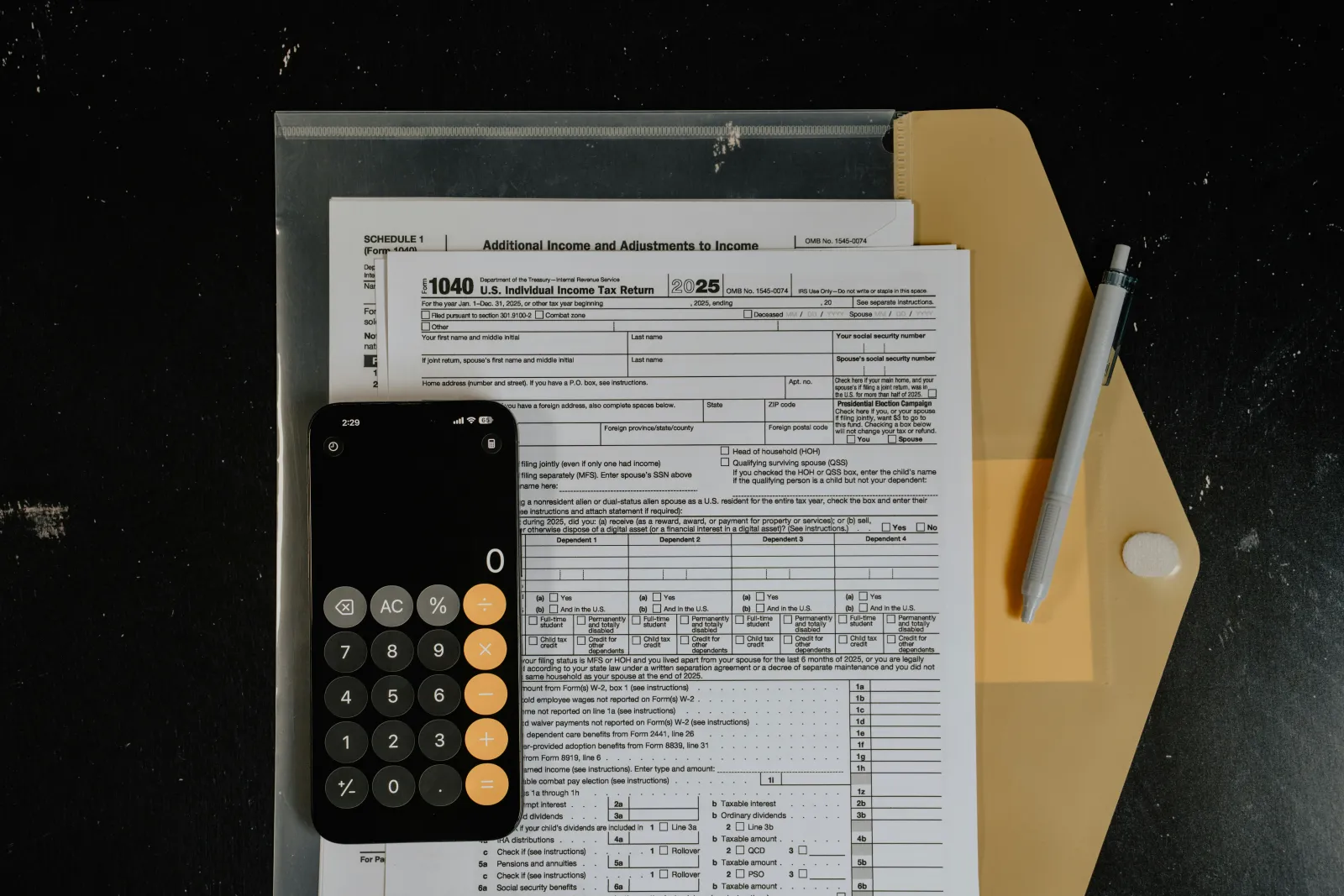
If you acquired a property in 2025 and need to claim accelerated depreciation on your 2025 return, the study needs to be complete before your CPA files. For calendar-year taxpayers, that’s April 15, 2026—or October 15 with an extension. An 8-week traditional timeline means you need to start by early February at the latest. An automated study can be ordered the week before filing.
Year-end tax planning
CPAs advising clients on year-end tax strategies need depreciation numbers to model scenarios. A study that arrives in January isn’t useful for December planning conversations. Speed matters here because the window for action is narrow. If you want to understand what your CPA will need, see what your CPA needs to know about cost segregation.
1031 exchange timelines
Investors completing a 1031 exchange often want to run a cost segregation study on the replacement property immediately after closing. The exchange timeline is already compressed (45 days to identify, 180 days to close), and adding 4–8 weeks for a cost seg study on top of that creates unnecessary coordination overhead.
Look-back studies
Here’s the exception: if you’re doing a look-back study on a property you’ve owned for years, timing is less critical. You can file a Form 3115 (Change in Accounting Method) in any tax year to claim missed depreciation from prior years. There’s no wrong time to do a cost seg study—but if you’re approaching a filing deadline, speed matters. If you want to see exactly what you’ll receive at the end of that timeline, our sample cost segregation report walks through every section.
Should You Start This Now?
It’s probably time to start the study if any of these are true:
- → You’re filing your return in the next 30–90 days and want the deduction this year. (Under-1-hour delivery means you can ship it to your CPA the same day.)
- → You bought the property 2–7 years ago and never did a study. A lookback study + Form 3115 claims years of missed deductions in this year’s return — no amended returns required.
- → You purchased in the current tax year and want it placed in service before year-end so the deduction lands on this year’s return.
- → Your CPA is asking for a defensible study before they’ll claim the bonus depreciation. (40+ page reports, MACRS schedules, RSMeans cost data — that’s what they need.)
- → Your purchase price is at least $250K and you have a Year-1 tax bill the deduction can offset.
It can wait if you just closed and your CPA is still gathering K-1s and other items, you don’t have a tax bill this year (passive losses are fine to carry forward, but the urgency drops), or you’re still deciding between a study and skipping cost seg entirely. The under-1-hour turnaround means you don’t lose much by waiting until you’re sure. Run your numbers in 60 seconds → See a finished sample report
Timing examples above are illustrative. Filing deadlines and Form 3115 eligibility depend on your specific situation. Confirm with your CPA before filing.
Your Timeline with Cost Seg Smart
How It Works
Order online in 5 minutes. Enter your property address, purchase price, and property type. Upload any closing documents or photos you have (optional but helpful). Pay online—pricing starts at $795 for residential properties.
Receive your report in under 1 hour. Your 40+ page CPA-ready report arrives by email. It includes a full component-level breakdown, MACRS depreciation schedules, Year 1 deduction calculations with 100% bonus depreciation, and the methodology documentation your CPA needs to file.
Your CPA files it on your next return. Forward the report to your CPA. For current-year properties, they claim the accelerated depreciation on your return. For prior-year properties, they file a Form 3115 to capture missed depreciation in a single year. No site visit, no scheduling, no back-and-forth.
Whether your property is a furnished Airbnb, an unfurnished single-family rental, or a commercial building, the process and timeline are the same. Want to see your estimated depreciation breakdown before ordering? The calculator takes 60 seconds and requires no signup.
Frequently Asked Questions How long does a cost segregation study take?
It depends on the provider. Traditional engineering firms that require site visits typically take 4–8 weeks. Mid-tier providers with optional site visits deliver in 1–3 weeks. Automated engineering-based providers like Cost Seg Smart deliver a full 40+ page CPA-ready report in under 1 hour. All three use the same IRS-recognized methodology and RSMeans cost data—the difference is in delivery speed, not study quality. Can I get a cost seg study done in one day?
Yes. Engineering-based providers that use automated delivery can produce a complete cost segregation study in under an hour. The report includes a full component-level breakdown, MACRS classification schedules, depreciation calculations with 100% bonus depreciation, and the documentation your CPA needs to file. There is no waiting period, no site visit to schedule, and no back-and-forth review process. Do I need to schedule a site visit for a cost segregation study?
Not necessarily. Traditional firms require physical site inspections, which is one reason their studies take 4–8 weeks. Modern engineering-based providers use satellite imagery, county assessor records, and construction cost databases to perform the same component-level analysis remotely. The IRS Cost Segregation Audit Techniques Guide does not mandate a physical inspection—it requires a detailed analysis of building components and their proper MACRS classification, which can be performed using remote observation and public data sources. For more on choosing between providers, see our guide on how to choose a cost segregation company.
Related Reading
- What Percentage Should You Actually Expect From a Cost Segregation Study? (Real Data, Not Marketing)
- 7 STR Tax Deductions Most Airbnb Owners Miss (And How to Claim Them)
Get Your Cost Segregation Study in Under an Hour
Run the calculator on your specific property.
Related Articles [

Pricing
How Much Does a Cost Segregation Study Cost?
A breakdown of pricing across provider types and what drives the cost of a cost seg study. 10 min read ](how-much-does-cost-segregation-study-cost) [

Buyer’s Guide
How to Choose a Cost Segregation Company
What to look for in a cost seg provider: methodology, credentials, deliverables, and red flags. 12 min read ](how-to-choose-cost-segregation-company) [

Analysis
DIY Cost Segregation: Can You Do It Yourself?
What’s involved in a DIY cost seg, where the IRS draws the line, and when to hire a provider. 9 min read ](diy-cost-segregation-study)